SDG 2 · Zero hunger
Surplus food reaches people who would otherwise go hungry, through verified NGOs, shelters and community kitchens.
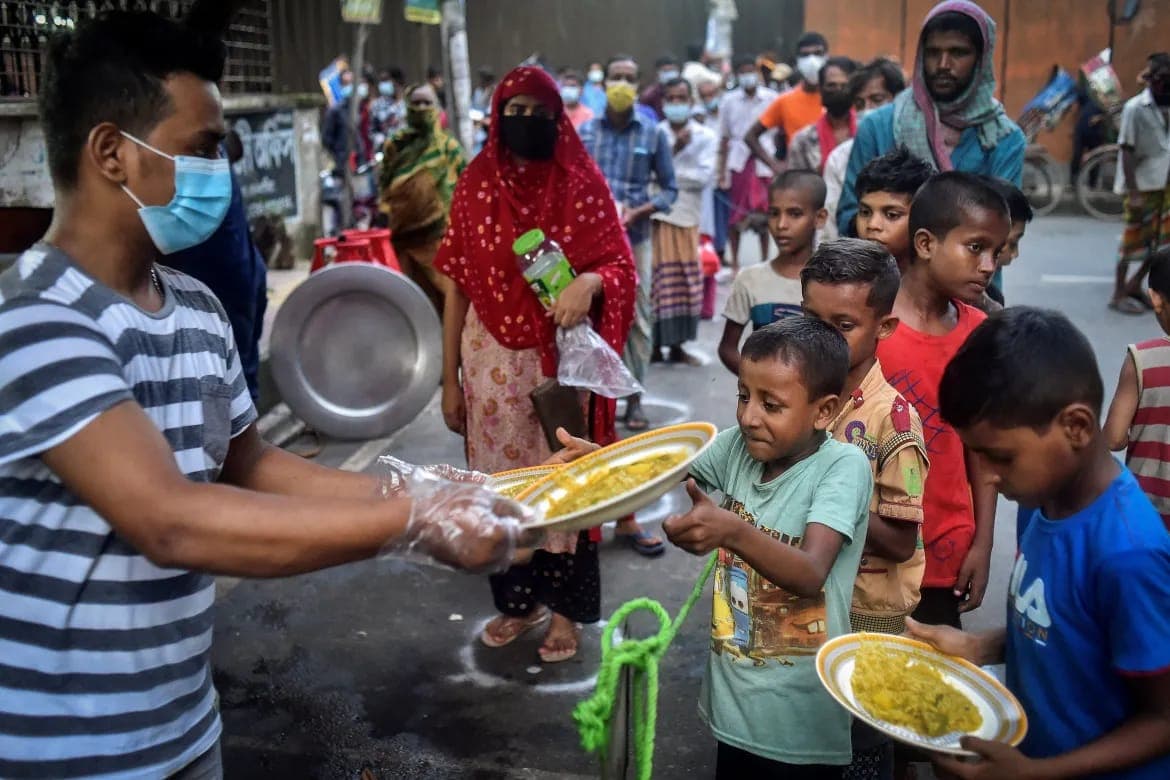
Every night good food is thrown away while, not far off, someone sleeps hungry. FoodBridge is the bridge between the two, in every city and town in Bangladesh: you share the food you have left, a verified NGO nearby confirms it, and a volunteer carries it to people who need it while it’s still fresh.
See how it works →Donate money →
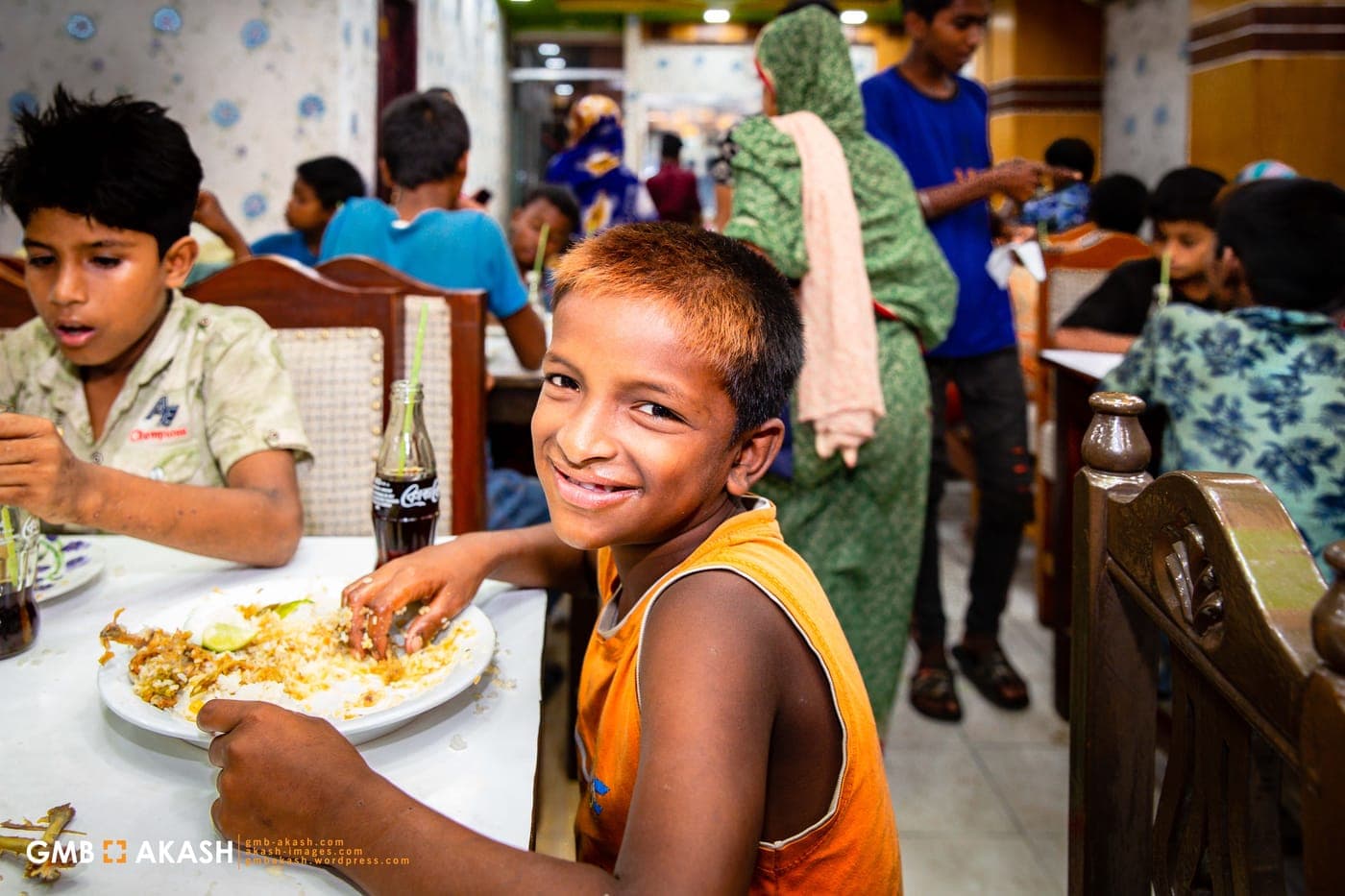
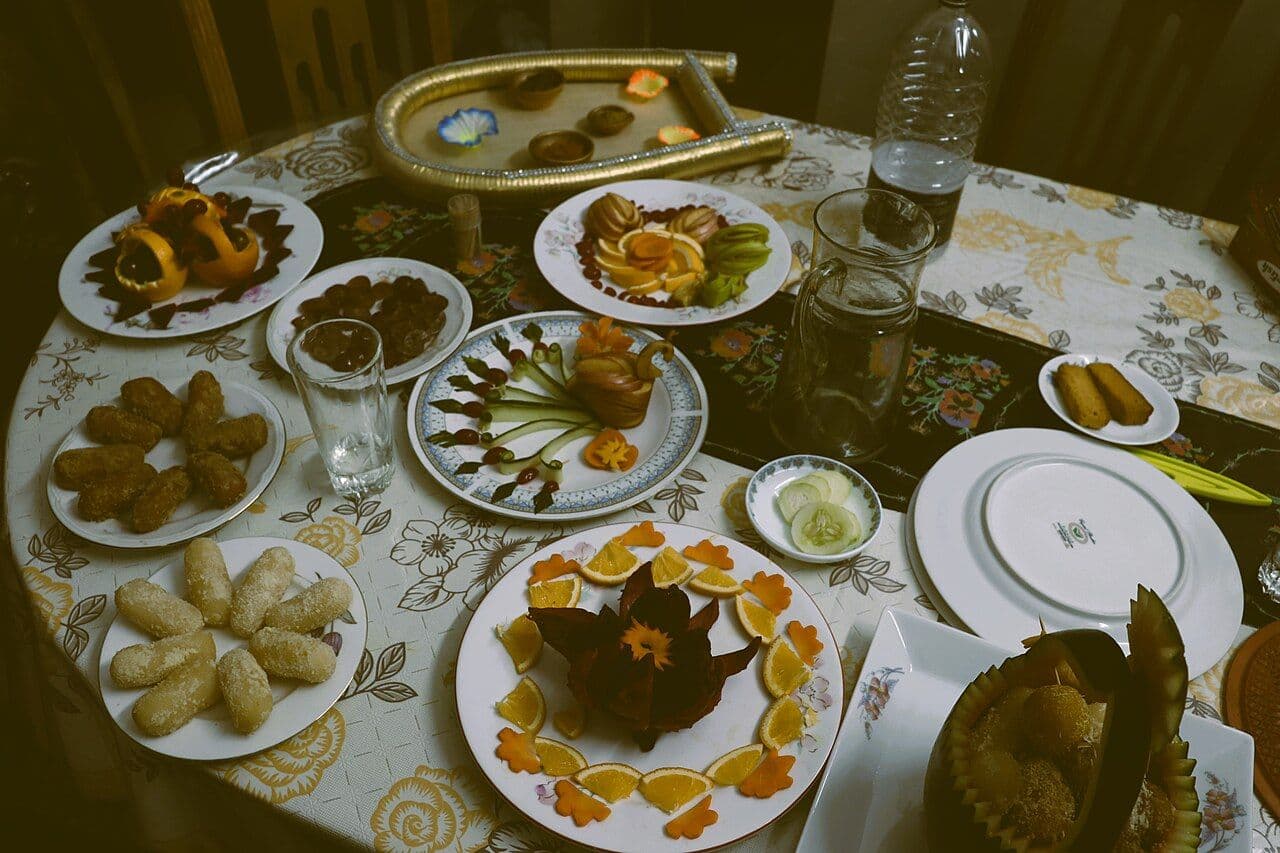
Photo: GMB Akash
Food waste in Bangladesh
Bangladeshi households alone throw away an estimated 14.1 million tonnes of food a year. That’s 82 kg for every person: more than households in the United States or China.
Food wasted by households in Bangladesh since you opened this page
0 kg
about 447 kg every second
— UNEP Food Waste Index Report 2024 (household food waste). Daily and monthly figures divide the annual estimate evenly.
What the research and the news say about the food we throw away.
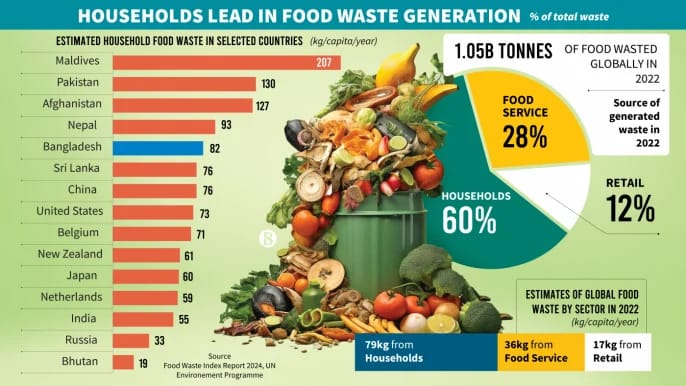
Household food waste per person in South Asia and beyond: Bangladesh wastes 82 kg per person a year, more than the United States or China.
— UNEP Food Waste Index Report 2024, via The Business Standard
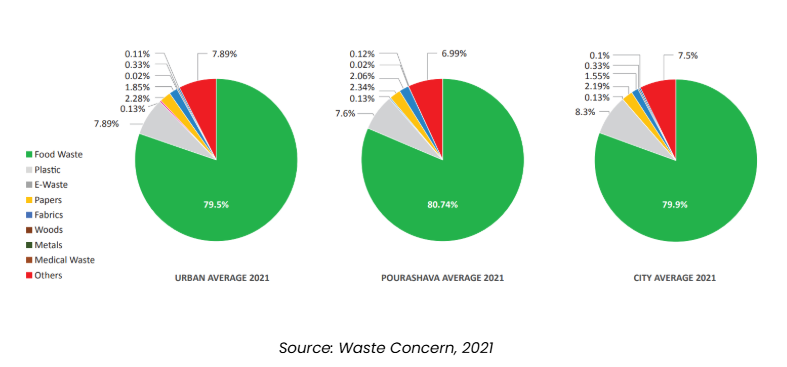
About 80% of the waste collected in Bangladesh’s cities and towns is food waste.
— Waste Concern, 2021
Tap a story to read it
— UNEP Food Waste Index Report 2024
— World Bank study presented in Dhaka, 29 September 2025
— World Bank study presented in Dhaka, 29 September 2025
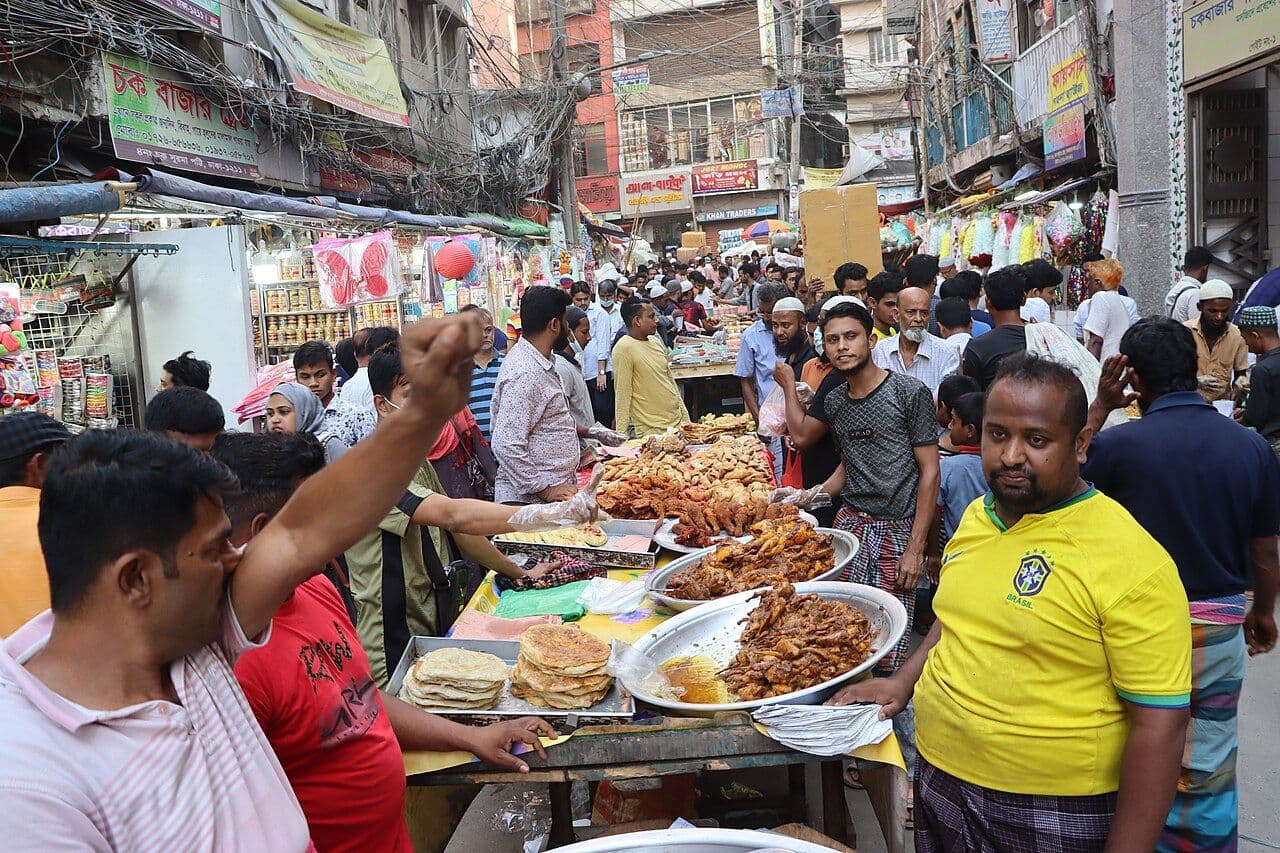
Chawkbazar, Old Dhaka: plenty on display every Ramadan evening. What isn’t sold by night often isn’t eaten.
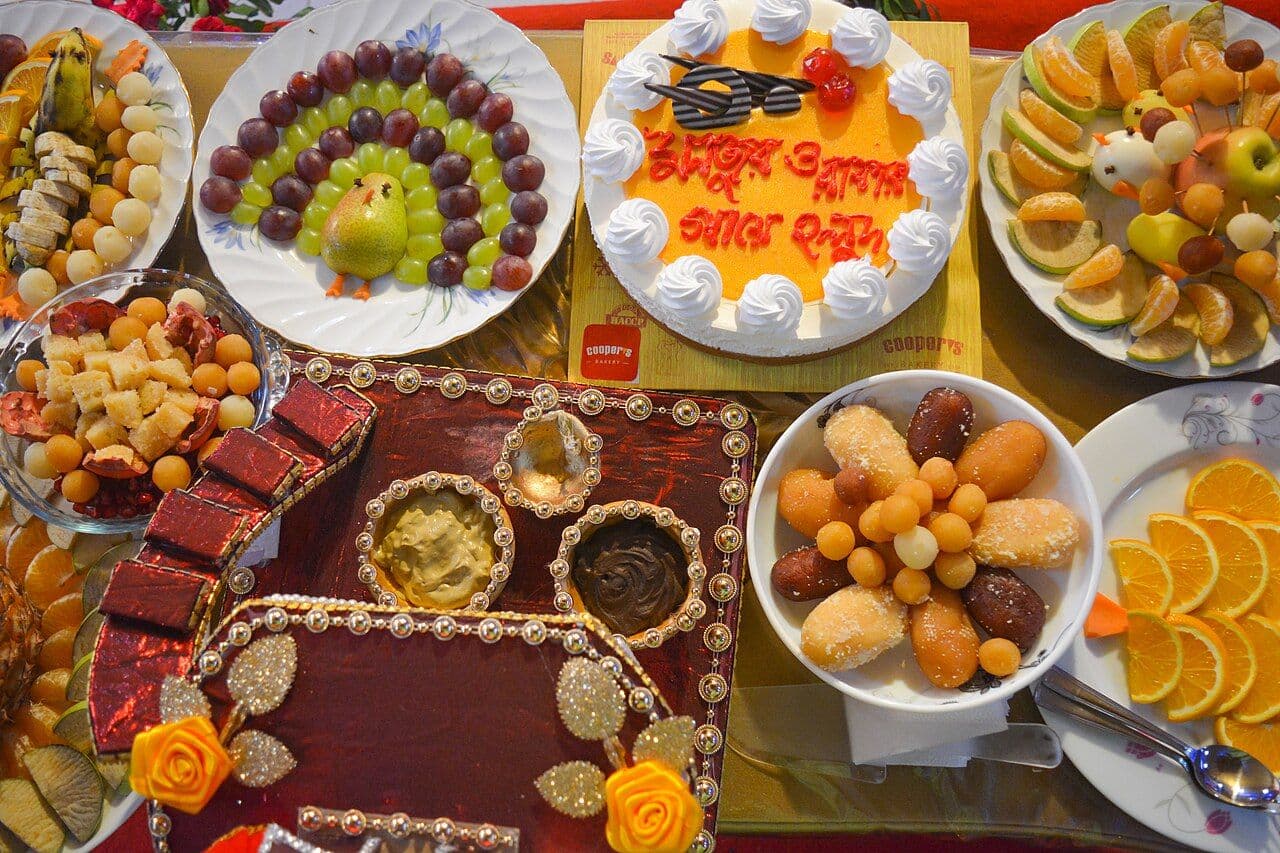
Holud nights and weddings are planned for big crowds. When the guests leave, trays of untouched food often have nowhere to go.
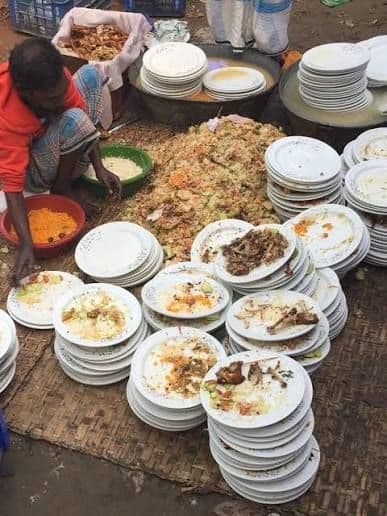
Plates stacked after a large event. Cooked rice and curry spoil within hours unless someone moves them fast.
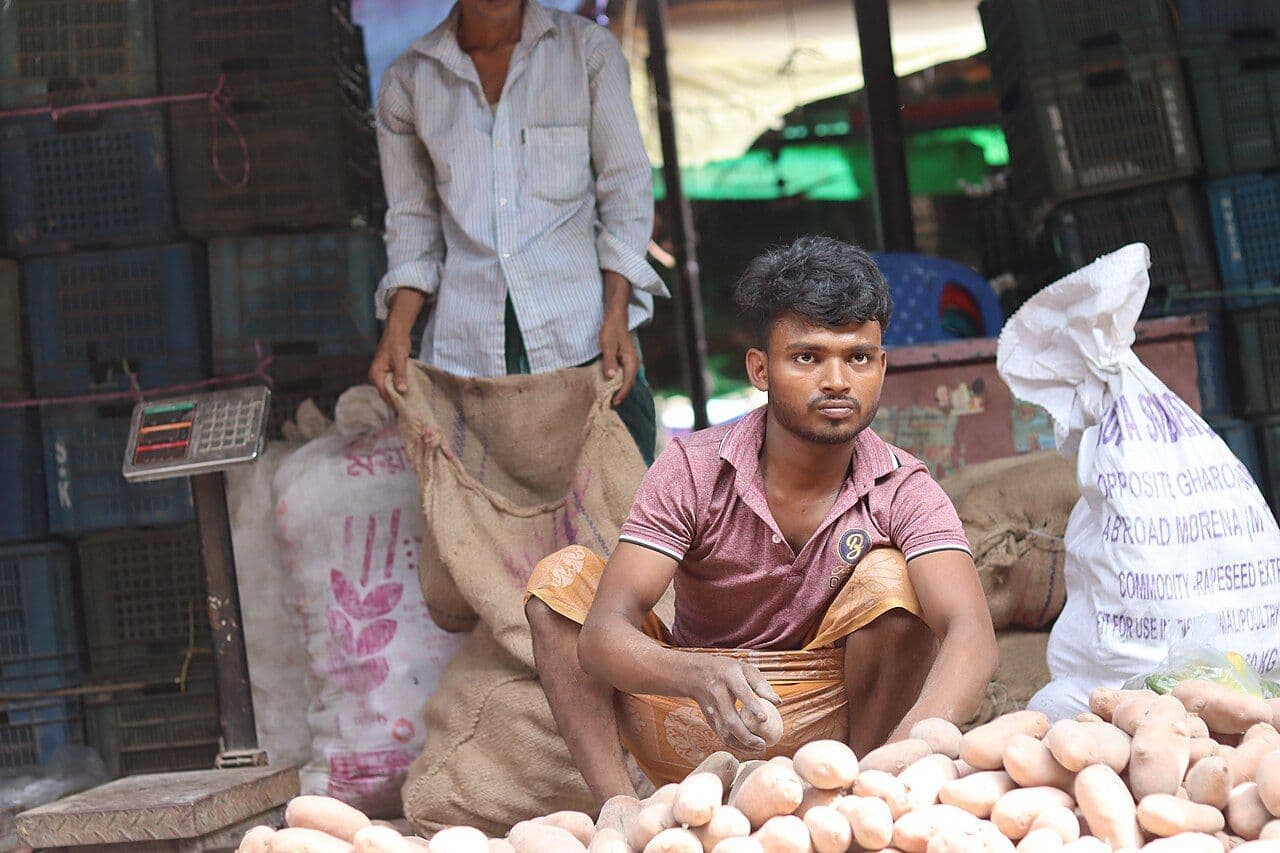
Produce from across the country passes through Dhaka’s biggest wholesale market. More than a fifth of potatoes and tomatoes are lost or wasted along the way.
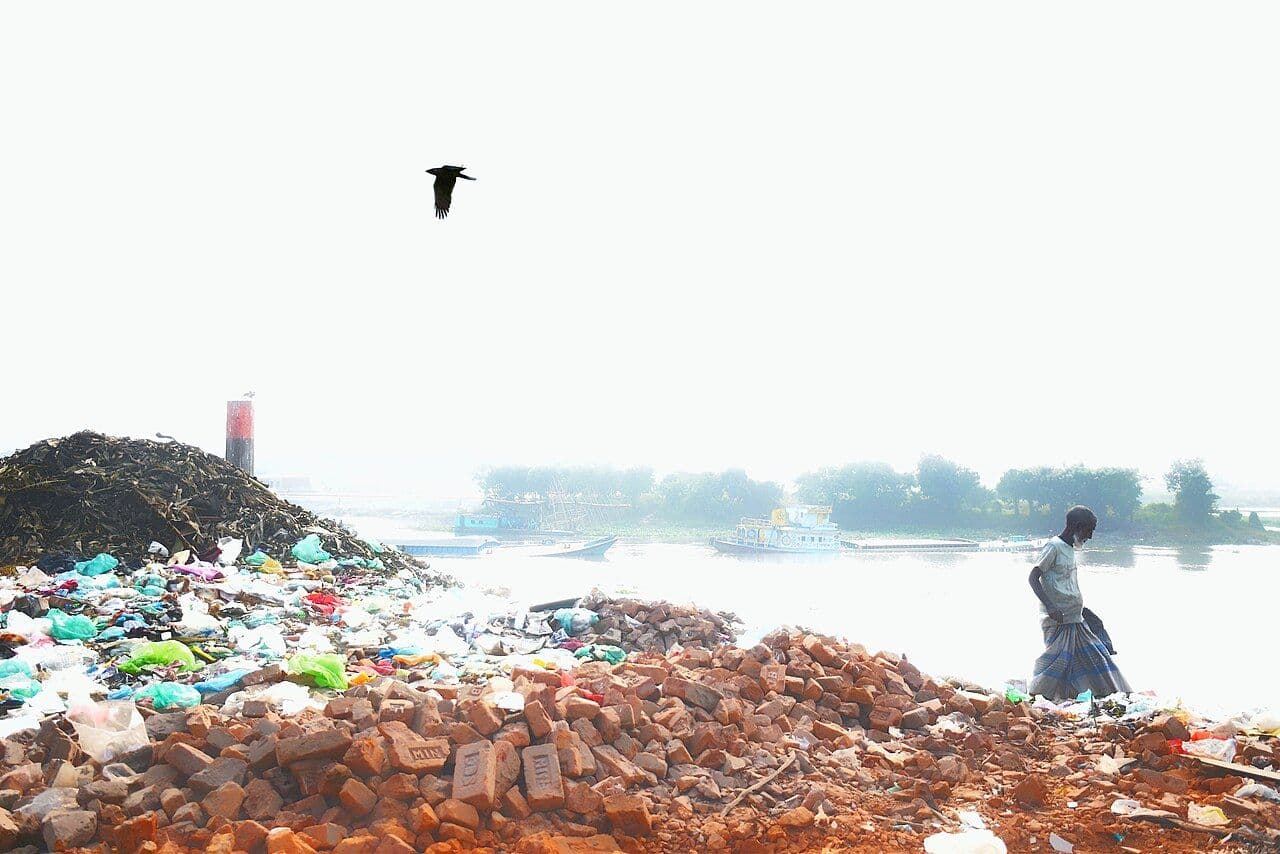
Mixed waste piled on open ground by the water. Food rotting in dumps like this gives off methane.
Hunger & food insecurity
The food exists. Yet tens of millions of people skip meals, eat less than they need, or can’t afford a healthy diet.
45.4 million
people (26.2%) were moderately or severely food insecure in 2023–2025
— FAO, The State of Food Security and Nutrition in the World 2026
Behind every number is a person. These are the faces our volunteers carry food to.
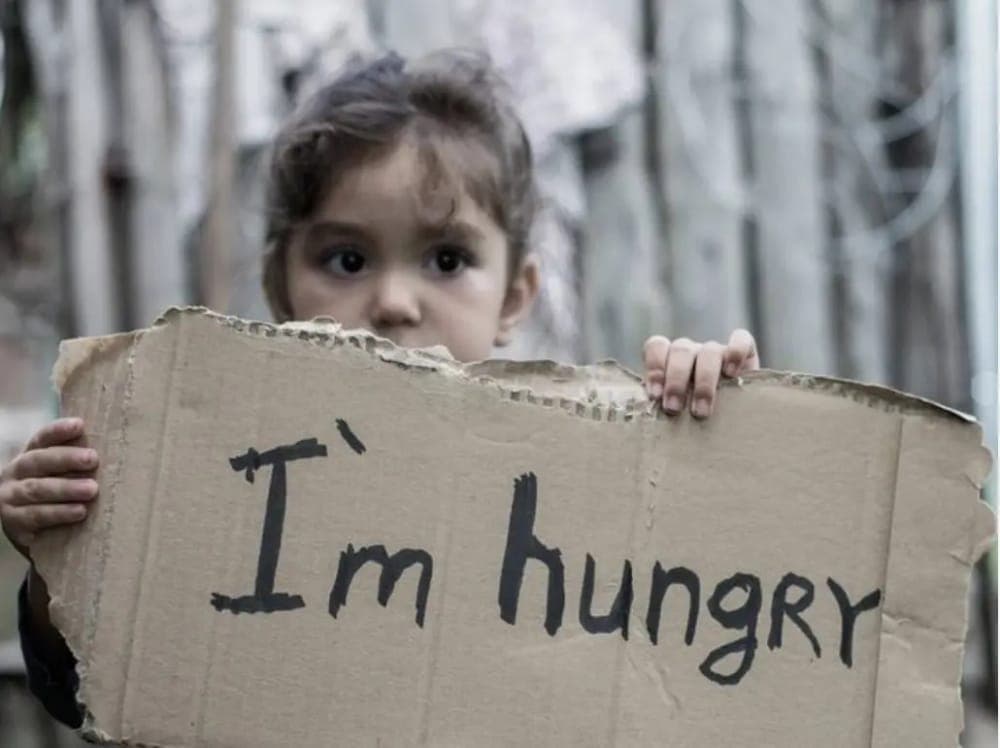
Some children learn to ask for food before they learn to read. A hungry evening is a normal evening for far too many.
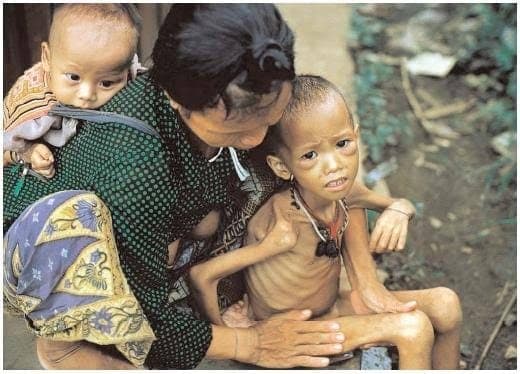
When there isn’t enough, mothers eat last. Children who go without in their first years carry it for life.
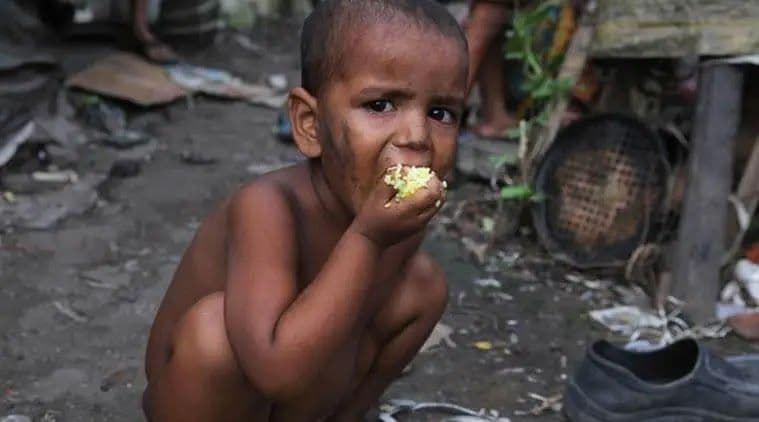
What a child eats today decides how they grow. One in four children under five in Bangladesh is stunted.
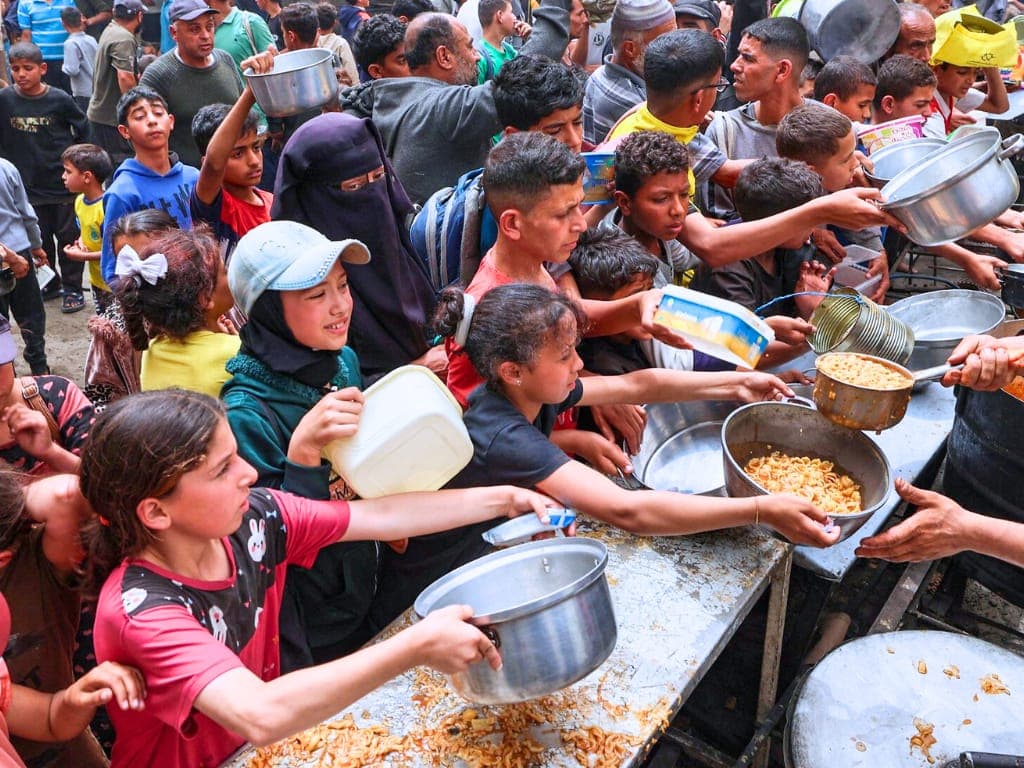
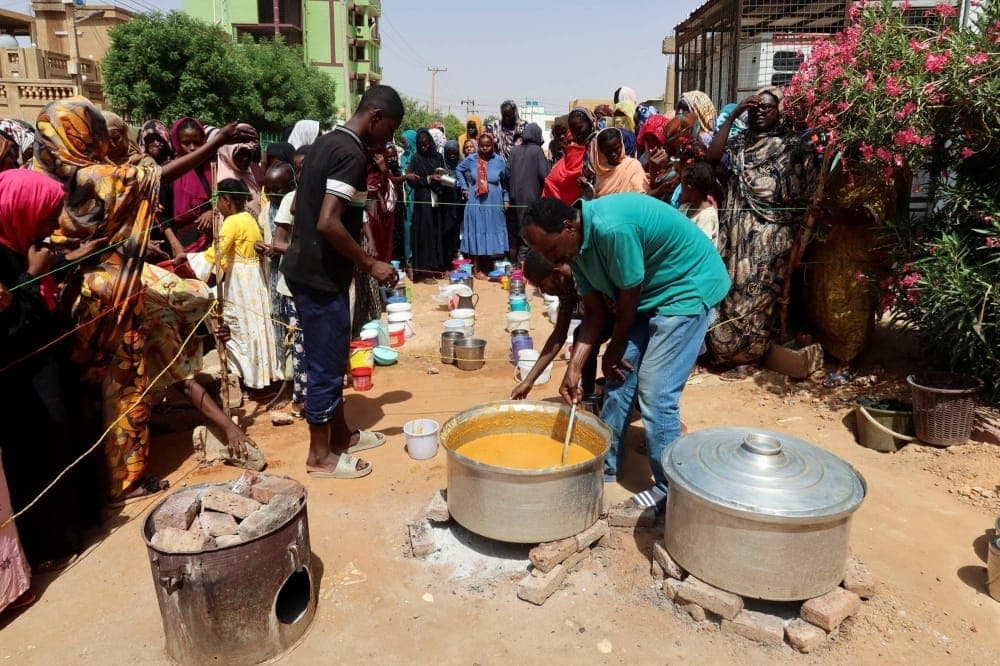
When cooked food arrives, hands reach from every side. There is never quite enough to go round.
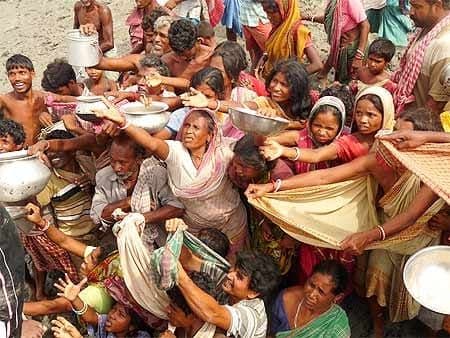
Relief distributions draw crowds within minutes, a sign of how many families live one missed meal away from hunger.
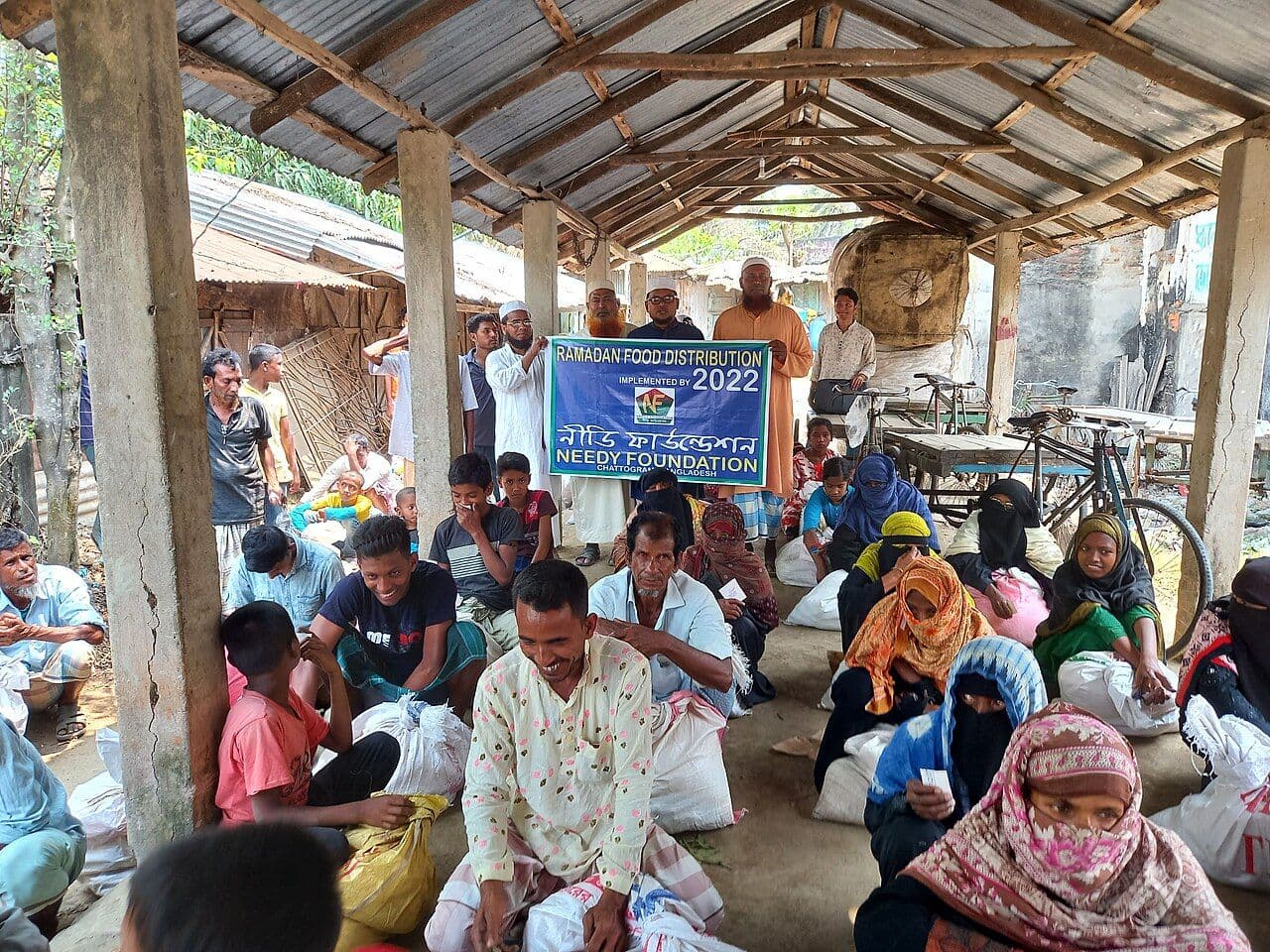
Families wait at a Ramadan food distribution. When food arrives organised, nobody has to fight for it.
One shared plate, one smile. That’s what your leftover food can do.
Donate foodThe missing link
A caterer with 80 plates left over has no idea which shelter three streets away needs them, or who could carry them there before they spoil. The gap isn’t food. It’s a connection, and FoodBridge is that connection.
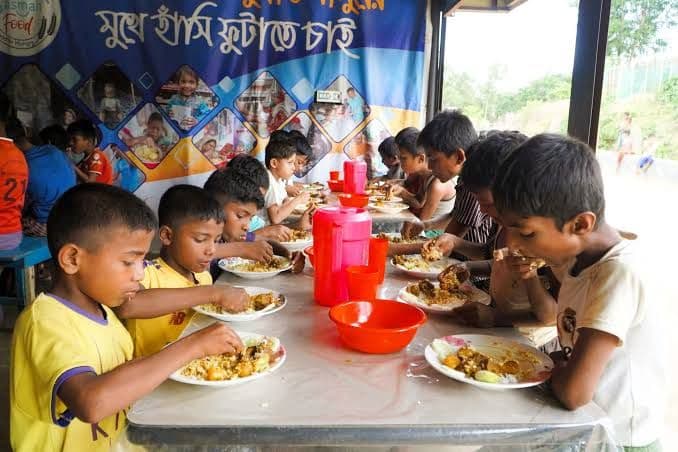
Children sharing a hot meal. This is what surplus food becomes when it reaches the right hands in time.
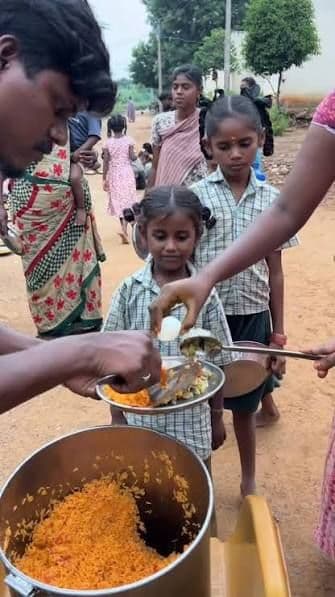
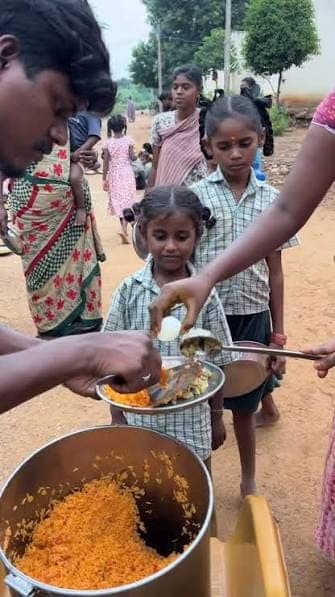
Rice served straight from the pot. Cooked food is safest eaten within hours, so speed matters.
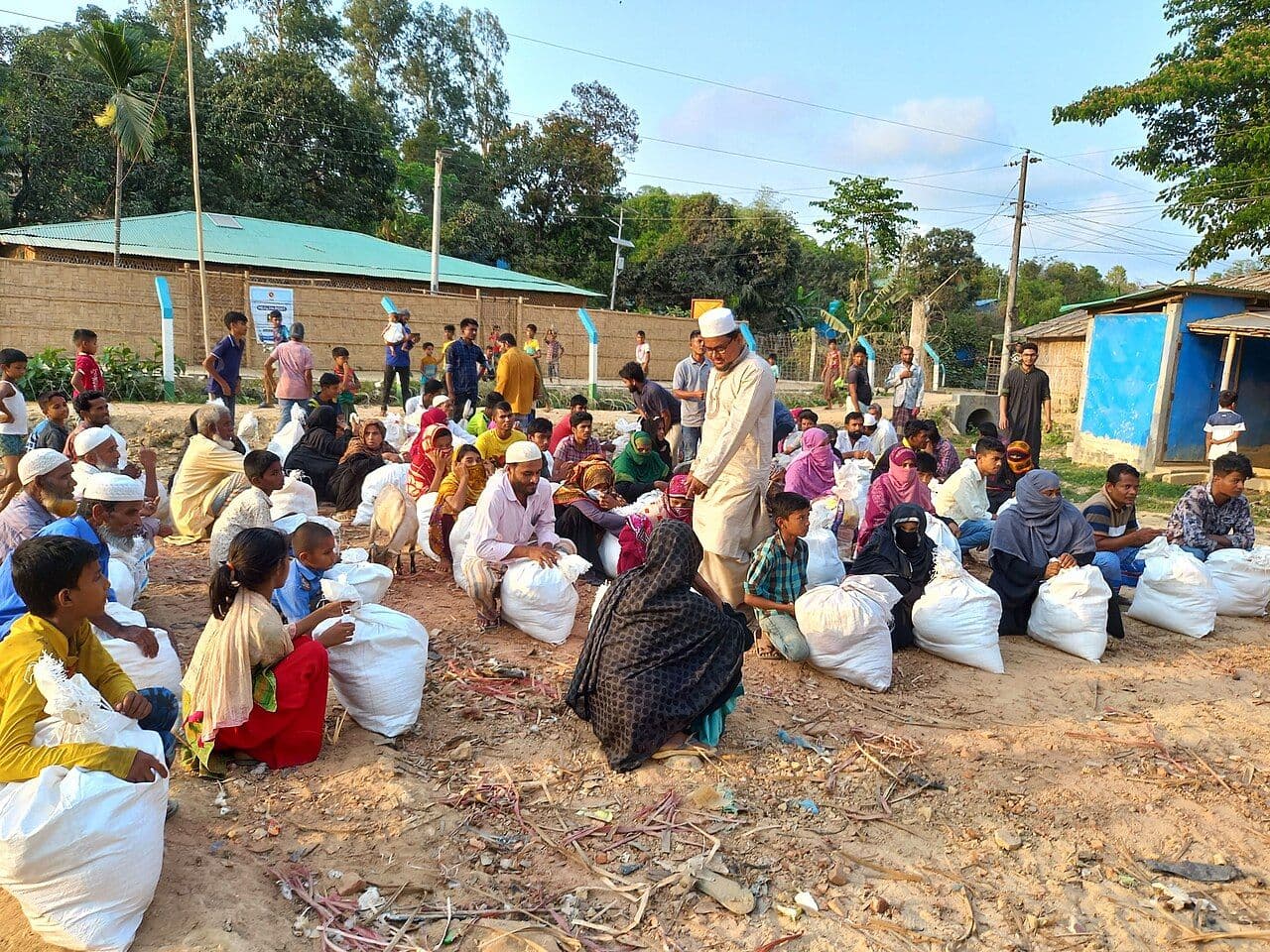
Food packs laid out at a Ramadan distribution for Rohingya refugees. NGOs know who needs food; FoodBridge helps the food find them.
What FoodBridge is doing
This is what happens on FoodBridge every day, in every town where people sign up. Nobody has to keep refreshing a website: the right people are told at the right moment.
 1 · The NGO asks
A verified NGO, shelter or community kitchen posts what it needs: the food, how many people, where and by when.
 2 · Donors nearby are told
Restaurants, caterers, halls and households near the NGO get an alert. They don’t have to keep checking the site: the request comes to them.
3 · A donor answersA donor approves the request in one tap, or leaves a comment, and posts the food (or lets our chat helper fill in the form for them).
4 · The NGO confirms, a volunteer carriesThe NGO confirms the food, the nearest available volunteer is offered the pickup, and everyone can follow it to the door.
 5 · A smile at the end
The NGO serves the meals to people nearby who need them and records how many ate. That number becomes the donor’s impact.
Not sure where to start? Our AI helper greets you, asks a few simple questions one at a time, checks the food-safety rules and fills in the donation form for you. You just check it and post.
How FoodBridge works
Three kinds of people, one tracked journey from the kitchen to the plate.
A restaurant, wedding hall or household posts what’s left, how much, and the time it must be eaten by.
FoodBridge suggests it to the nearest verified NGO that needs it. They accept in one tap.
The closest available volunteer is offered the pickup and collects it from the door.
The food reaches the NGO while it’s still fresh. Donor and NGO can follow every step.
The NGO serves it and records how many people ate. That number becomes everyone’s impact.
Every post carries a best-before time. Once it passes, the food is never matched or picked up.
Get involved
Every NGO and volunteer is checked by our team before they can receive food or pickup tasks.
So far, together
Every number here is a plate that was filled, counted from completed deliveries on FoodBridge, not estimated.
Food left in a landfill rots into methane. Food on a plate doesn’t.
UN Sustainable Development Goals
Every plate rescued on FoodBridge counts towards the goals Bangladesh has signed up to for 2030.
Our main goals
Surplus food reaches people who would otherwise go hungry, through verified NGOs, shelters and community kitchens.
Food that would be thrown away is eaten instead. Every completed donation is counted, so the waste we prevent is measured, not guessed.
We also support
Food rotting in dumps gives off methane. Food waste is 13% of Bangladesh’s greenhouse emissions; rescuing it cuts that.
Donors, NGOs, volunteers and local businesses work as one network instead of alone.
A free meal leaves families a little more for rent, school and medicine.
Donate money
Your money pays for packaging, transport and hot meals where food donations don’t reach. Every taka goes to feeding people.
about 20 meals
bKash, Nagad and card payments are coming soon.
Post it now. It could be on someone’s plate before it goes cold.